
The WXV transformation: from WWW sharecropping or virtual trucking, to next level ownership
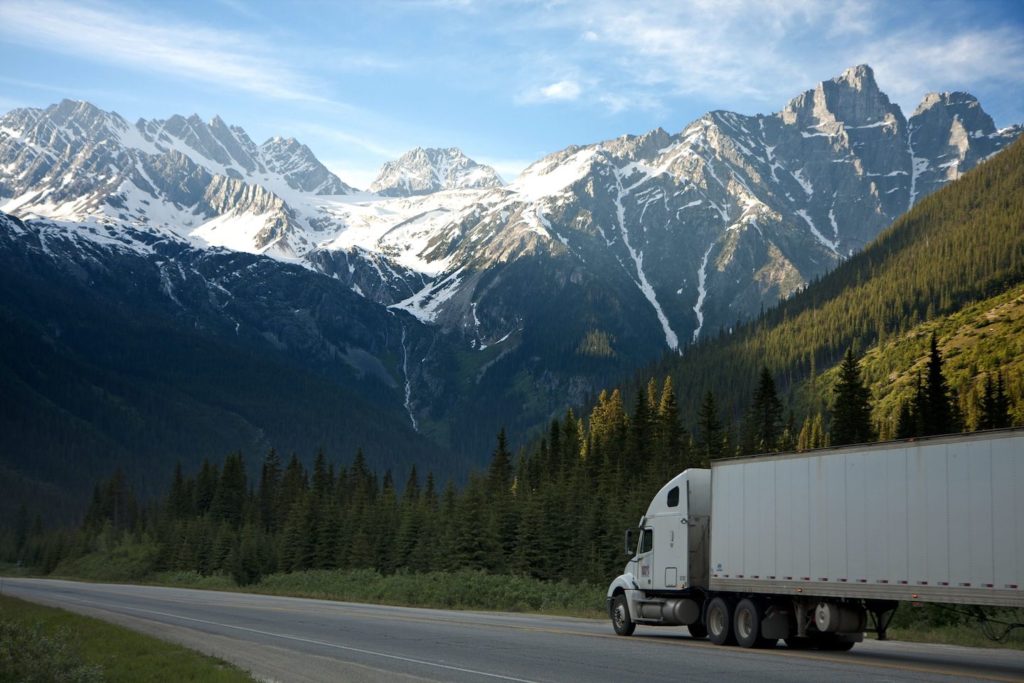
At initial glance, the WXV change, from operating many, many entities, to a singular point of contact on the web, was not good as far as time, money and energy committed. However when looked at from a world wide web sharecropping perspective, this new existence couldn’t be received better.
When the shifting of the Tyner Group presence, was changing, there was a lot of private research conducted, in relation to the trucking industry, and their supply chain woes. What was discovered is that being a web developer or webmaster, has a lot of parallels to what truck drivers and owners are challenged with.
The office of Tyner Group gradually was converted into being a virtual truck, and the founder, director, Ian Tyner, made it to the next stage of ownership. Consolidating assets, less operations, and further remerging, paved the way for the next stage of WXV; its encouraged for any small business owner who is a part of sharecropping economics, to research the highly innovative trucking industry, as you might not think that there is a lot to learn from that business model, but there definitely is.